South House Silver Scholarship
A Month on Muckle Roe: Chasing, Repoussé and Island Weather
South House Silver Workshop Trust Scholarship
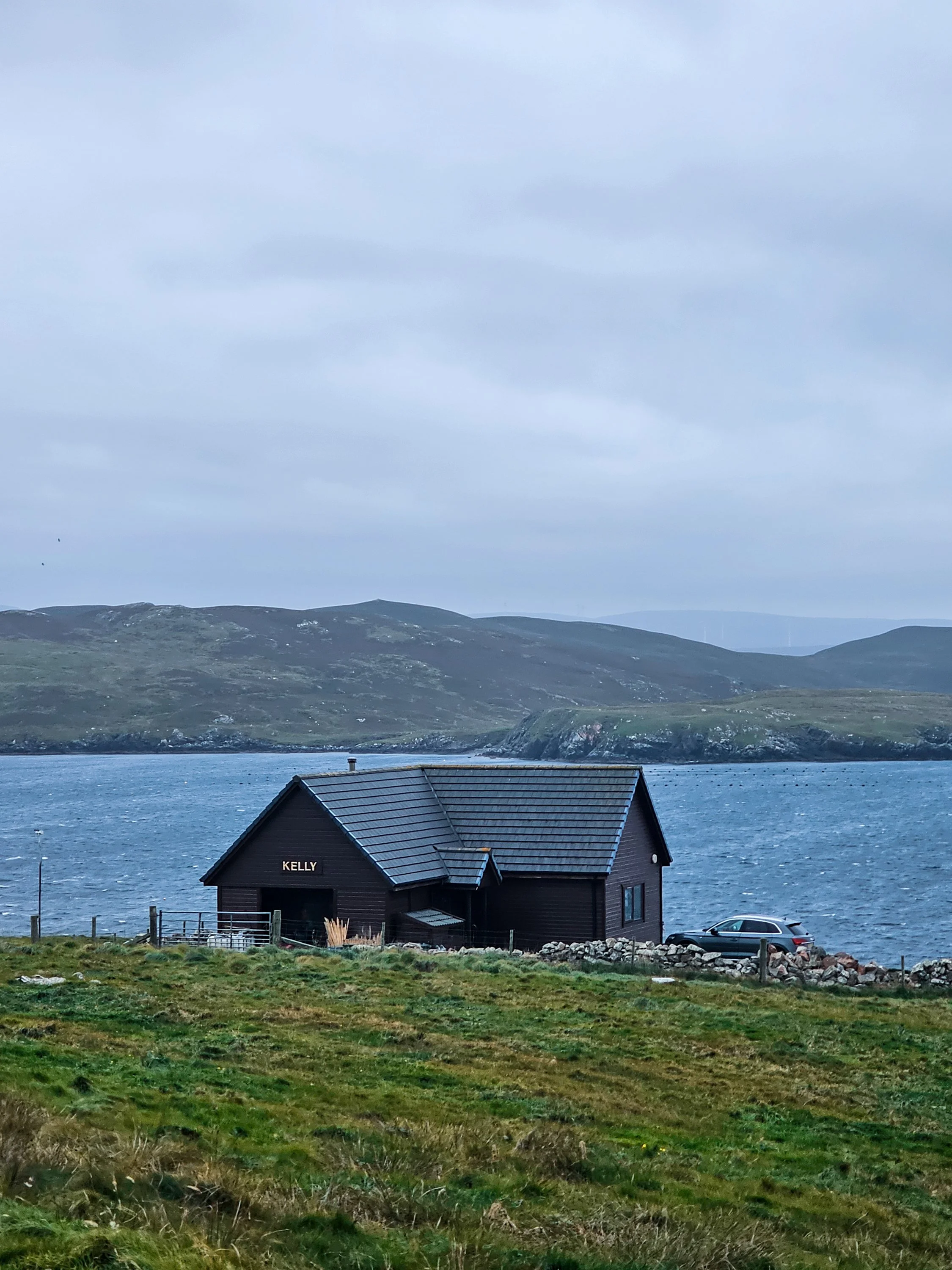
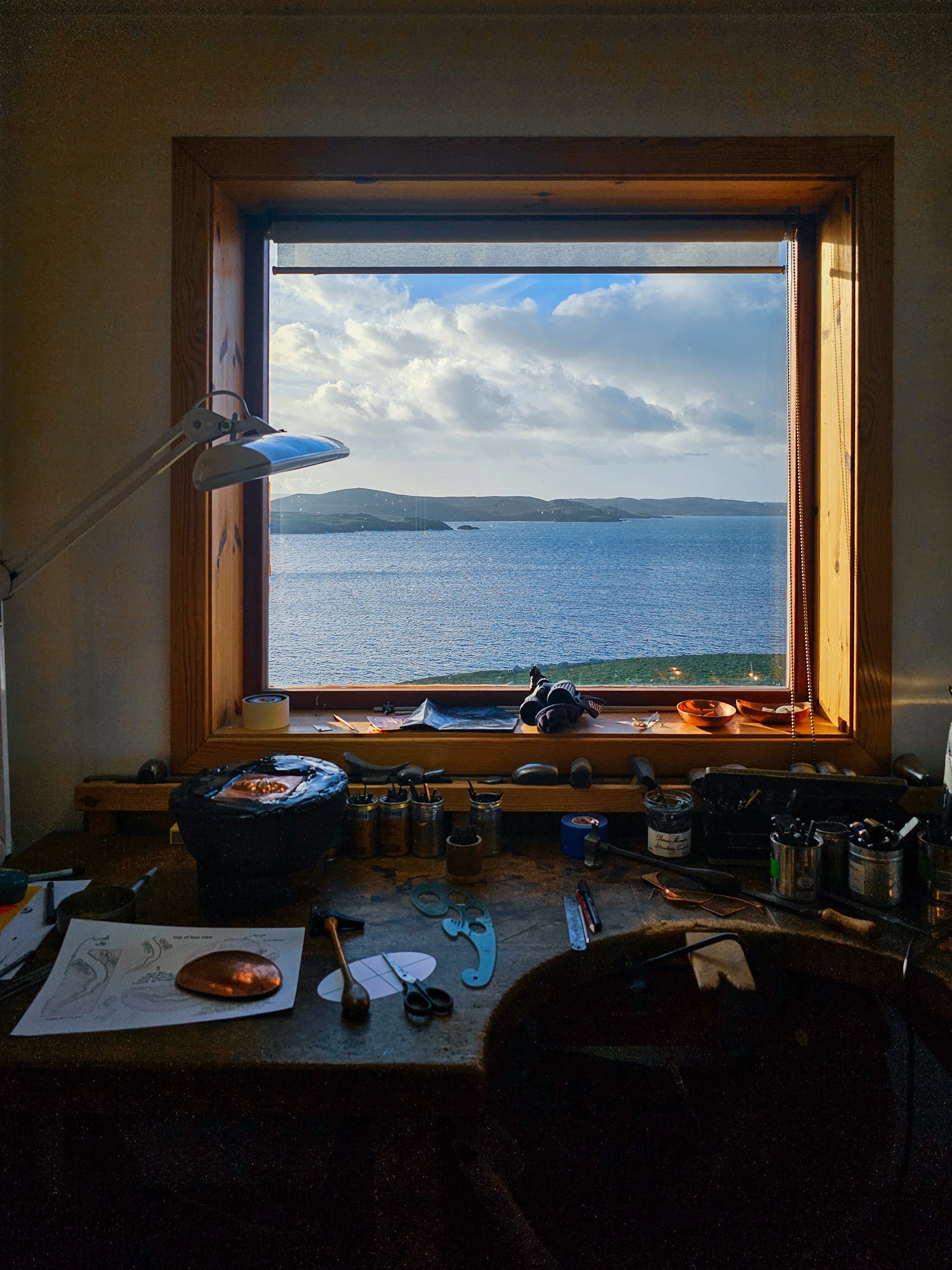
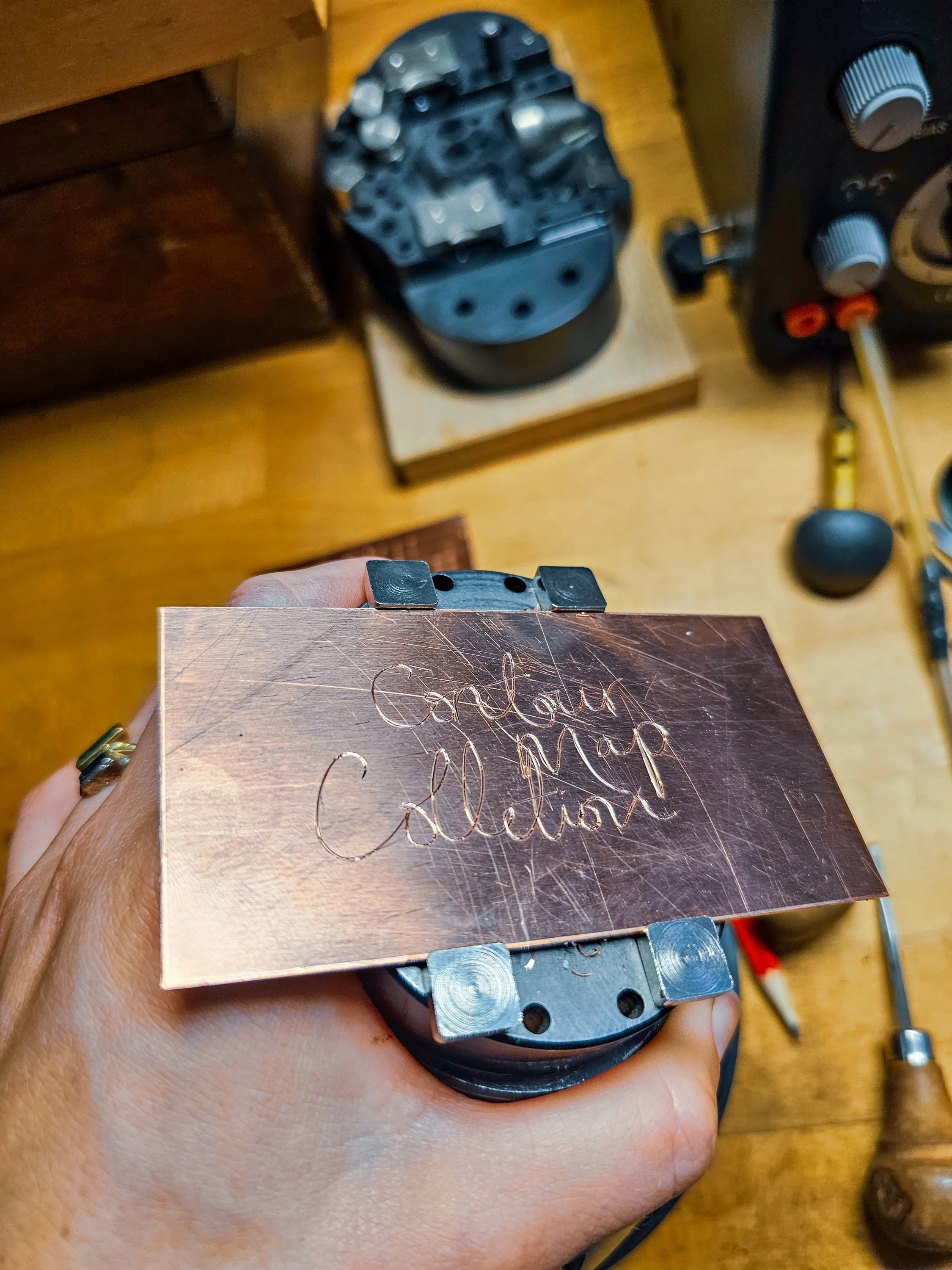
Thanks to the South House Silver Workshop Trust, I spent the whole of October tucked away on Muckle Roe in Shetland, learning and practising chasing and repoussé with silversmith Rod Kelly. I went with a plan to make a hinged box, but once I got into the swing of the technique I realised I wanted more space to play. I ended up making two dishes instead, which gave me a much bigger canvas to really get to grips with the process. I also tried hand push engraving properly for the first time (I had dabbled in it for some stone setting before), this gave me something to work on to take a break from hammering! It’s such a challenging technique, requiring a huge amount of patience and precision, particularly when attempting to engrave letters.
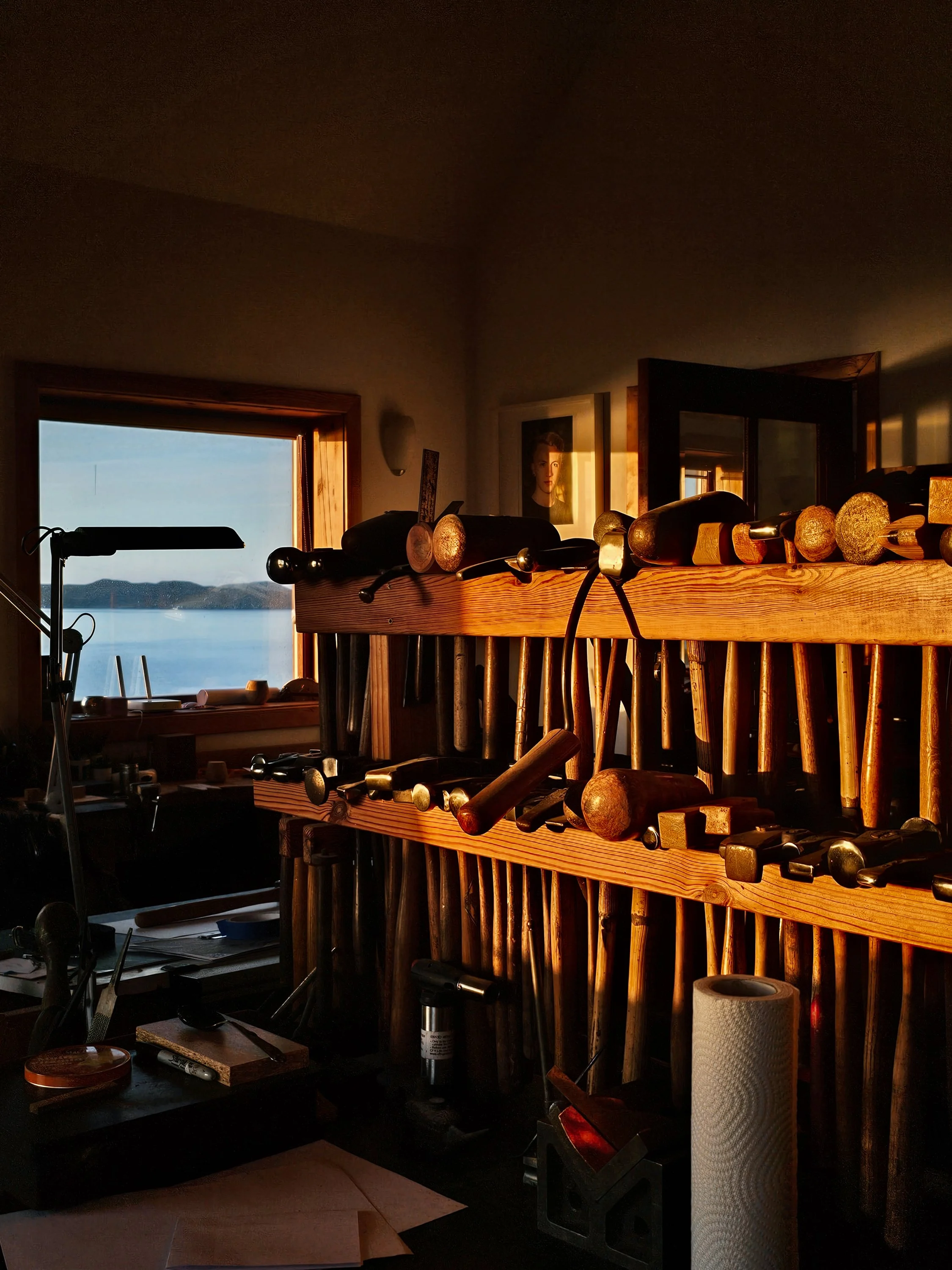
Chasing & repousse are ancient complimentary metal working techniques, allowing you to shape metal from both sides (front & back) to create 3D designs. Repousse is French for ‘push up’, in this process you are using usually quite large rounded punches which you hammer with from the back of the work, pushing the metal down into the semi-soft pitch that the metal is held in. Chasing (from "chasser," "to chase") is done from the front side of the piece, usually using smaller, more specifically shaped punches, to sink the metal down in defined areas, creating detail on the design, or adding texture. Often you’ll switch between working on the front and the back of the piece multiple times to create the finished work. I was keen to try this process, as a) Rod Kelly is world renowned for his low-relief chasing skills, so it would be crazy not to glean some knowledge! and b) I thought it could be a really beautiful and different way to convey the contour line relief in my work.
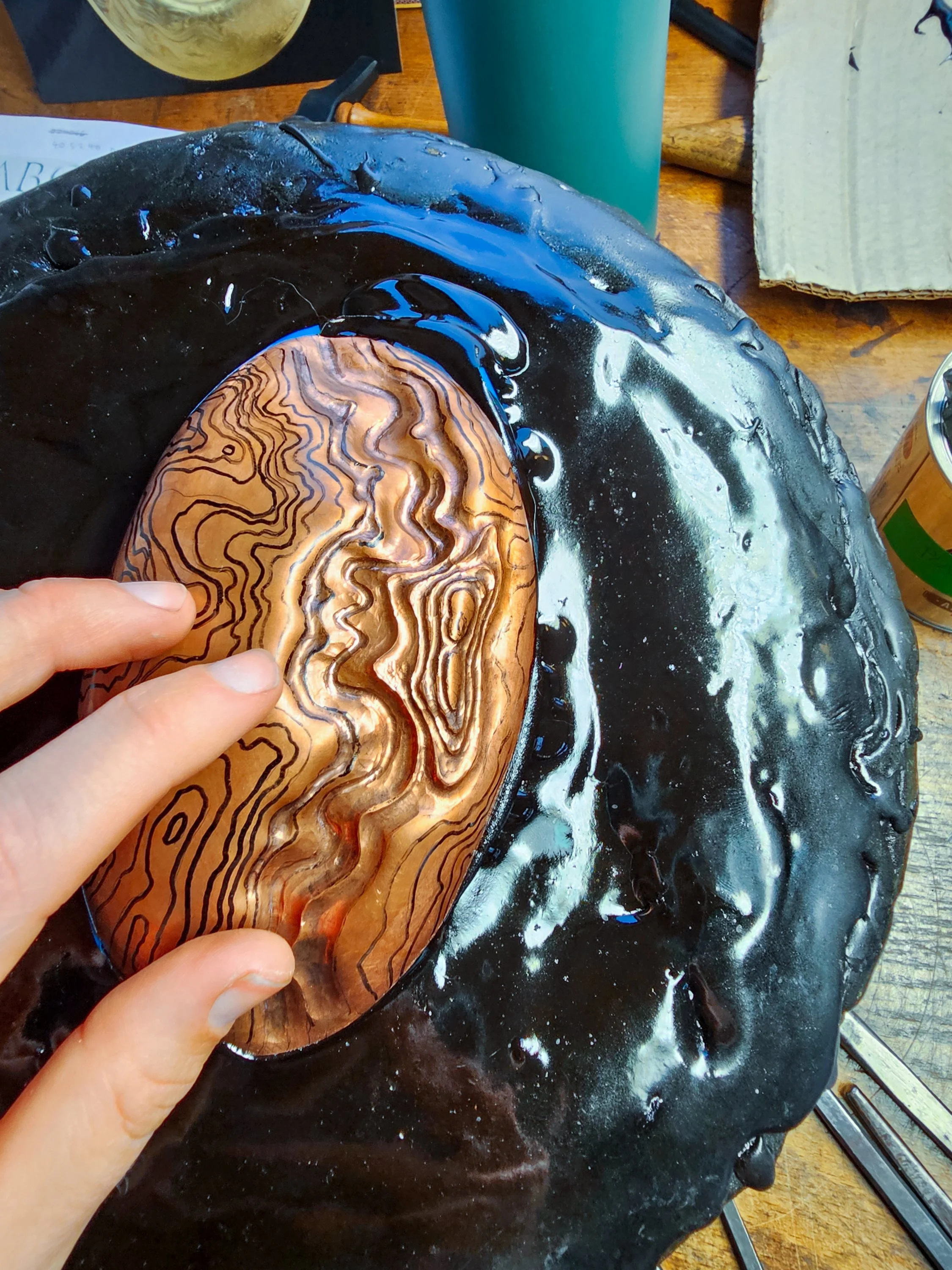
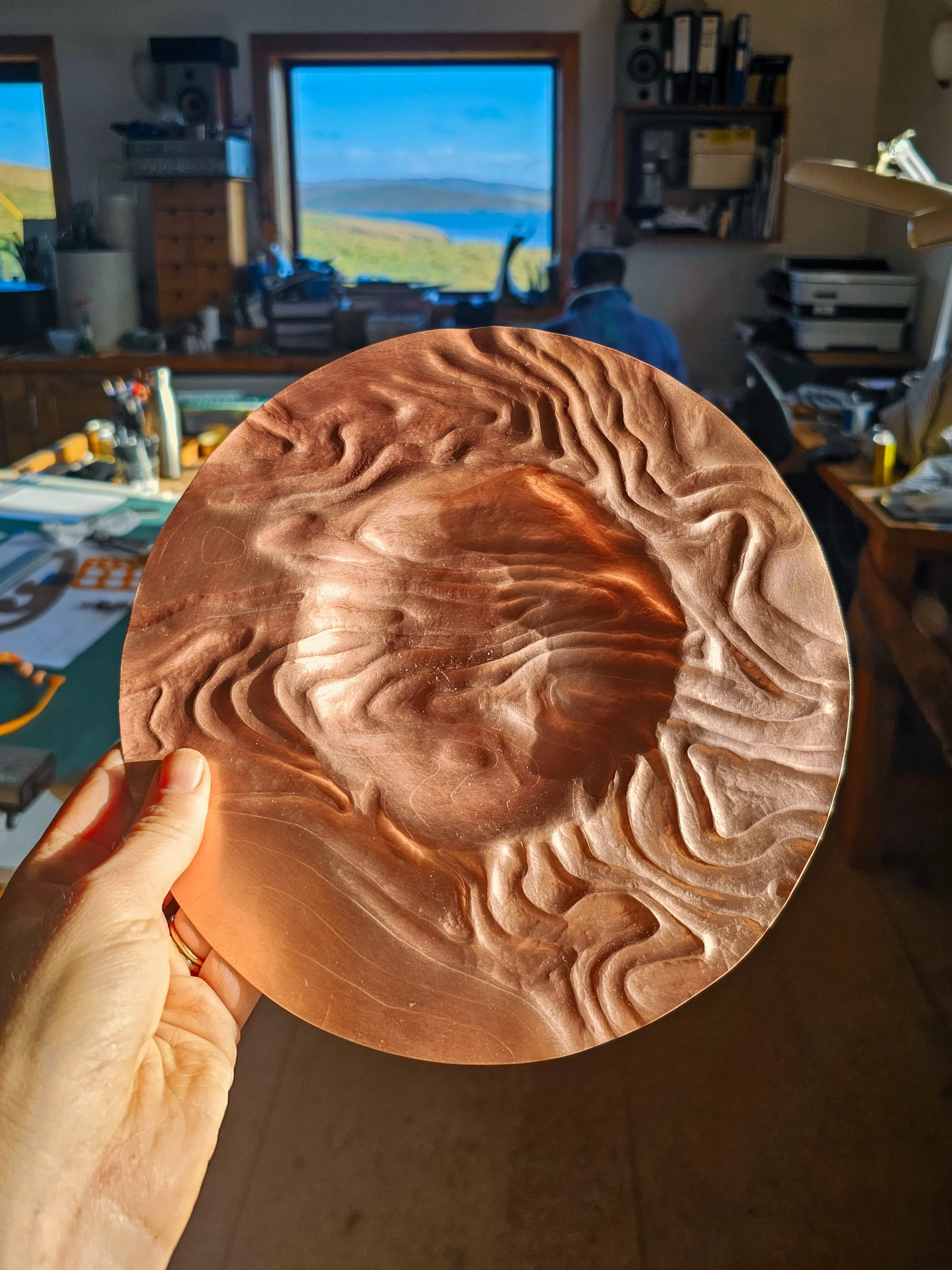
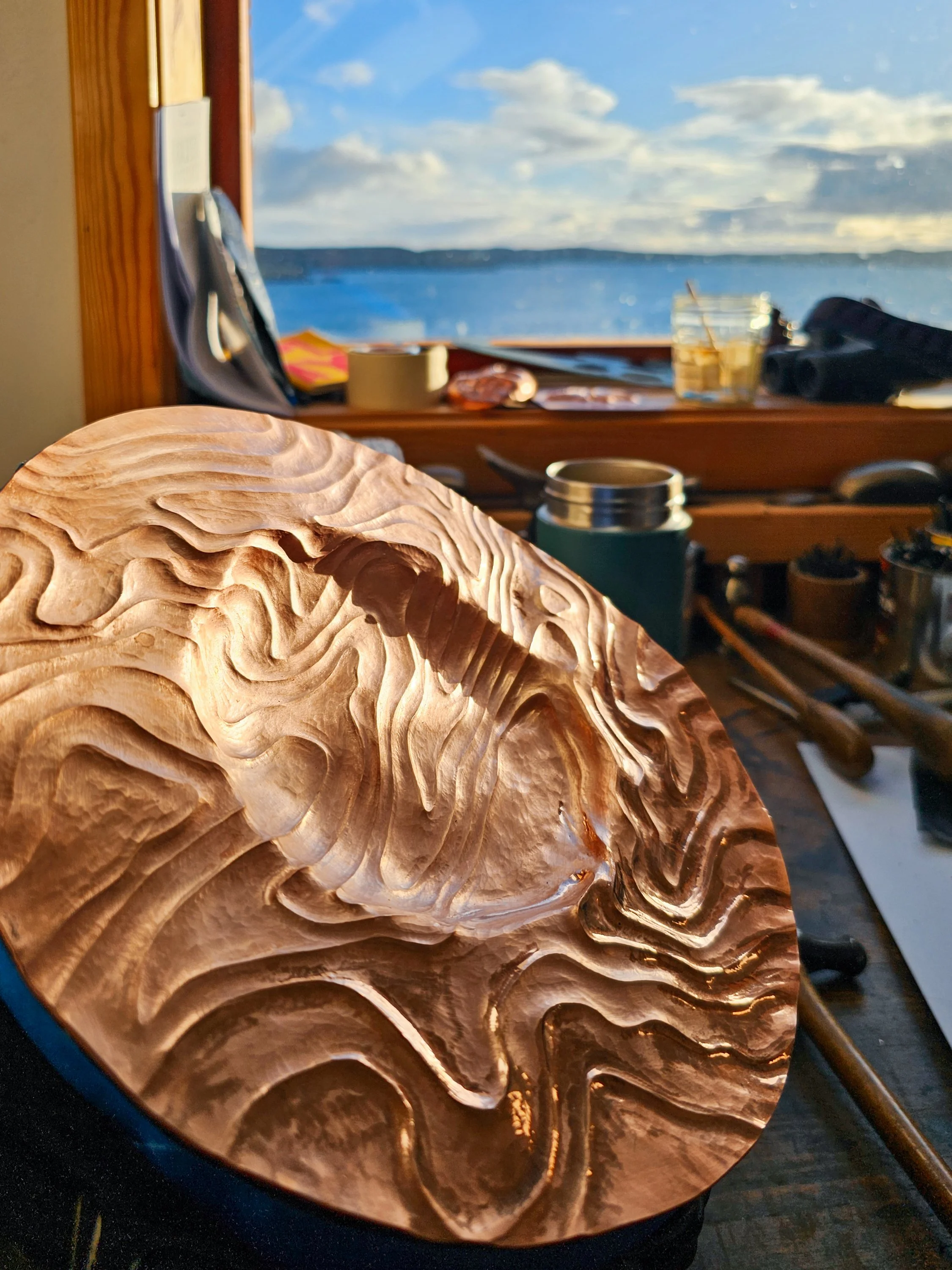
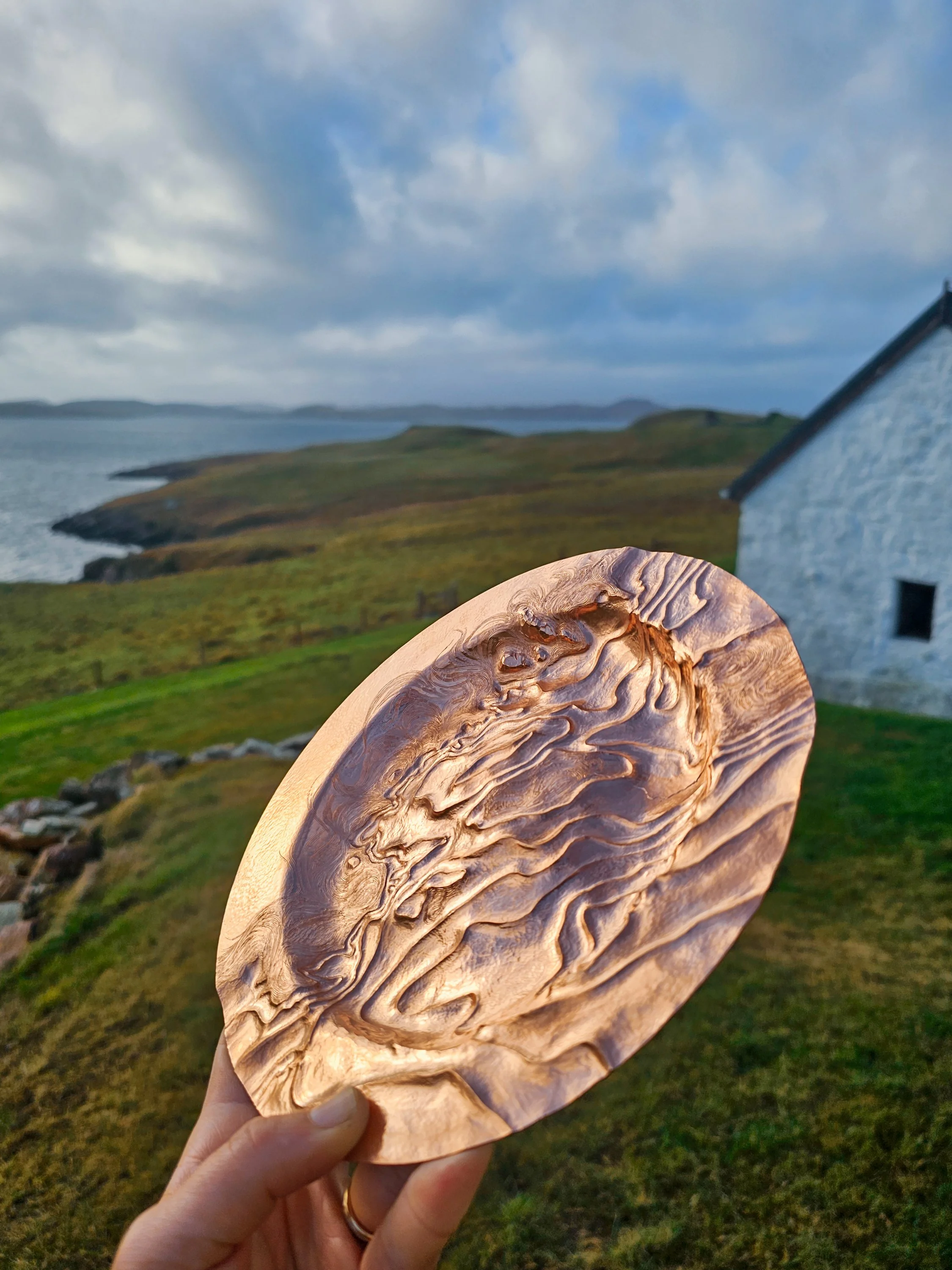
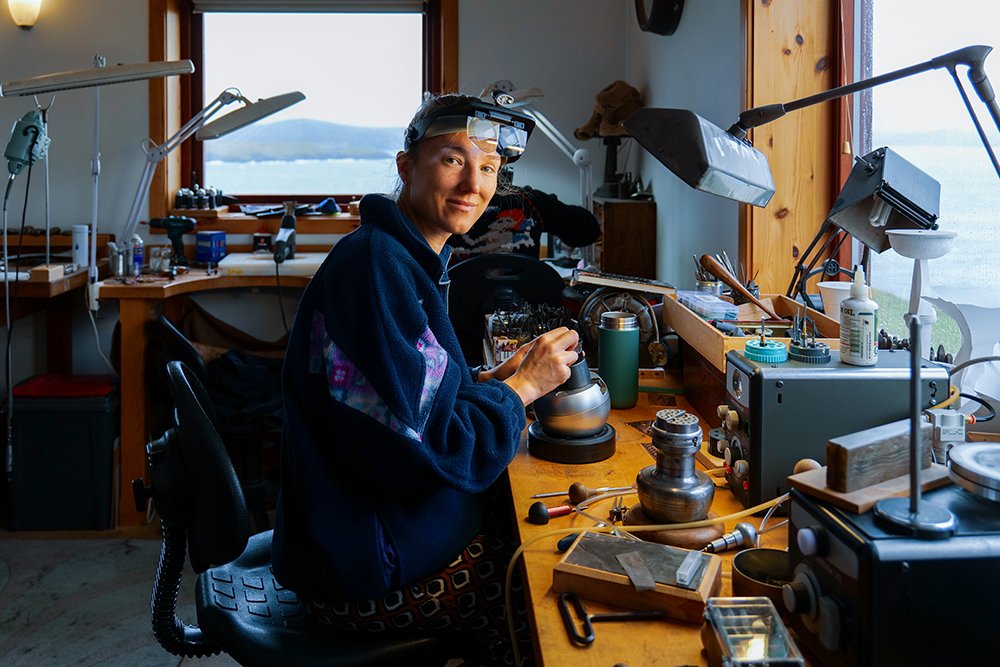
I made both dishes in copper, knowing that they were going to be my first attempts, and not wanting to feel overly precious about them - I was keen to encourage myself to experiment as much as possible. Silver prices also reached a record high during this month, which also helped to swing my decision! The first dish focussed on a small section of Muckle Roe - the stretch of rocky coastline just a little further west of Rod’s workshop, where there is a little lighthouse. I managed to complete this dish, adding texture across the piece, teasing the metal up to sharp peaks to mark the contours, and using a lined textured punch to create a texture for the swirling ocean (possibly my favourite part of the design). Once back in Sheffield, I took it to Camelot Silverware, who did a fantastic job of silver plating it for me, ready to take to fairs next year.
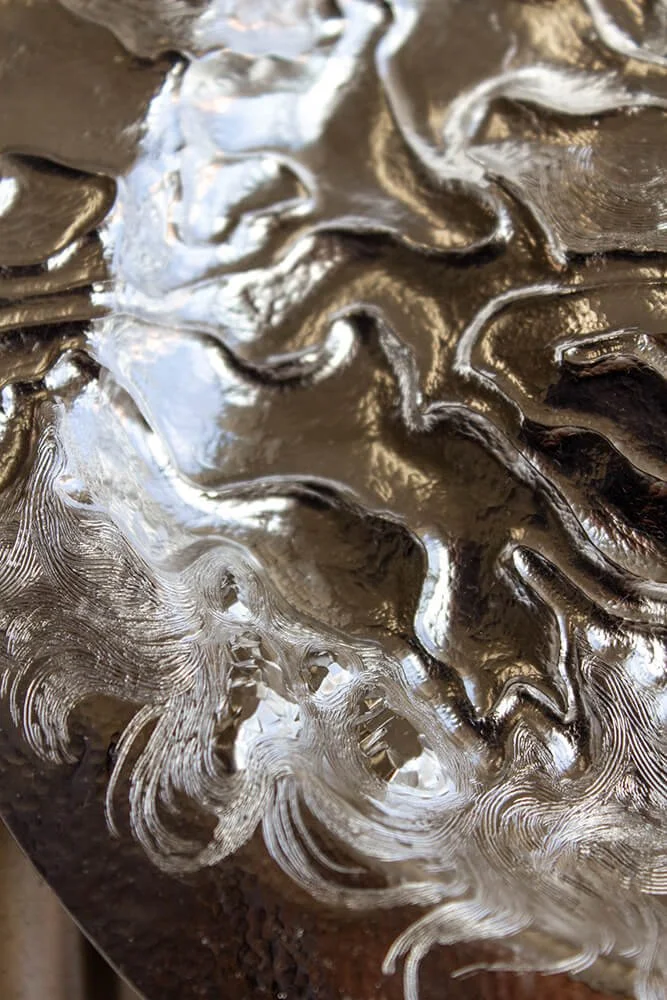
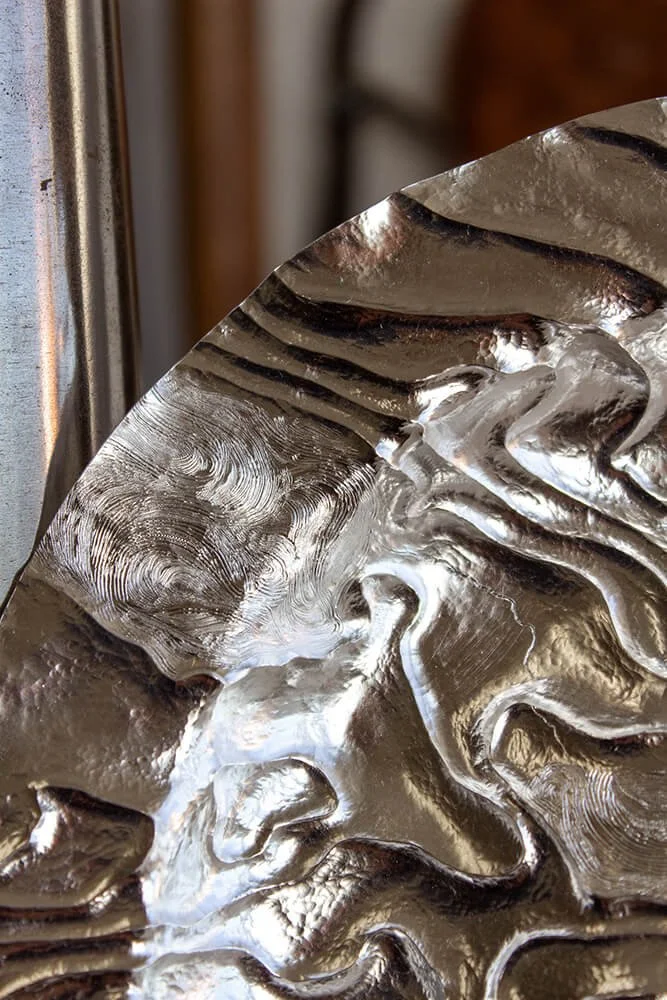
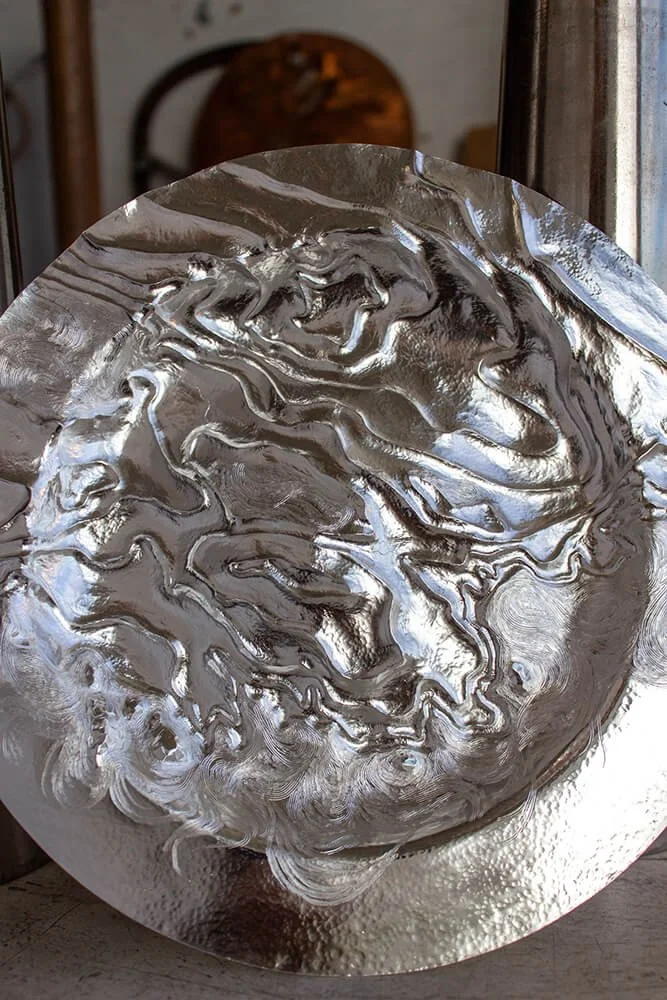
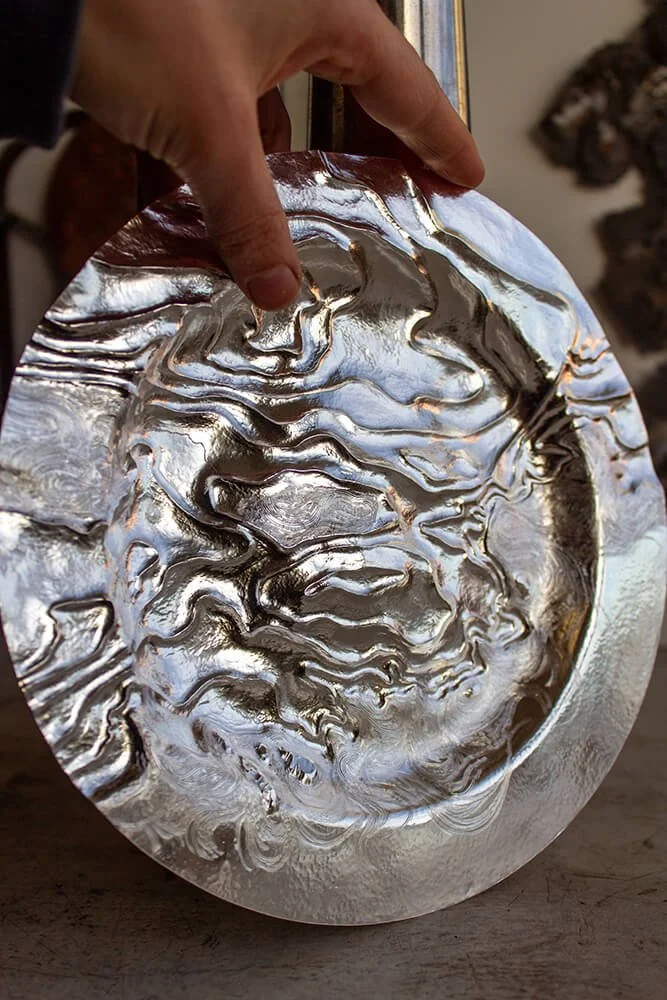
The second dish I tackled was in a slightly thicker gauge metal than the first, so it was not as quick to shape, but I think will feel pleasingly weighty once complete. The design is the contours of my part of Sheffield, Walkley/Crookes & the leafy valleys. My plan is to engrave the rivers when it’s finished, and probably have it plated too.
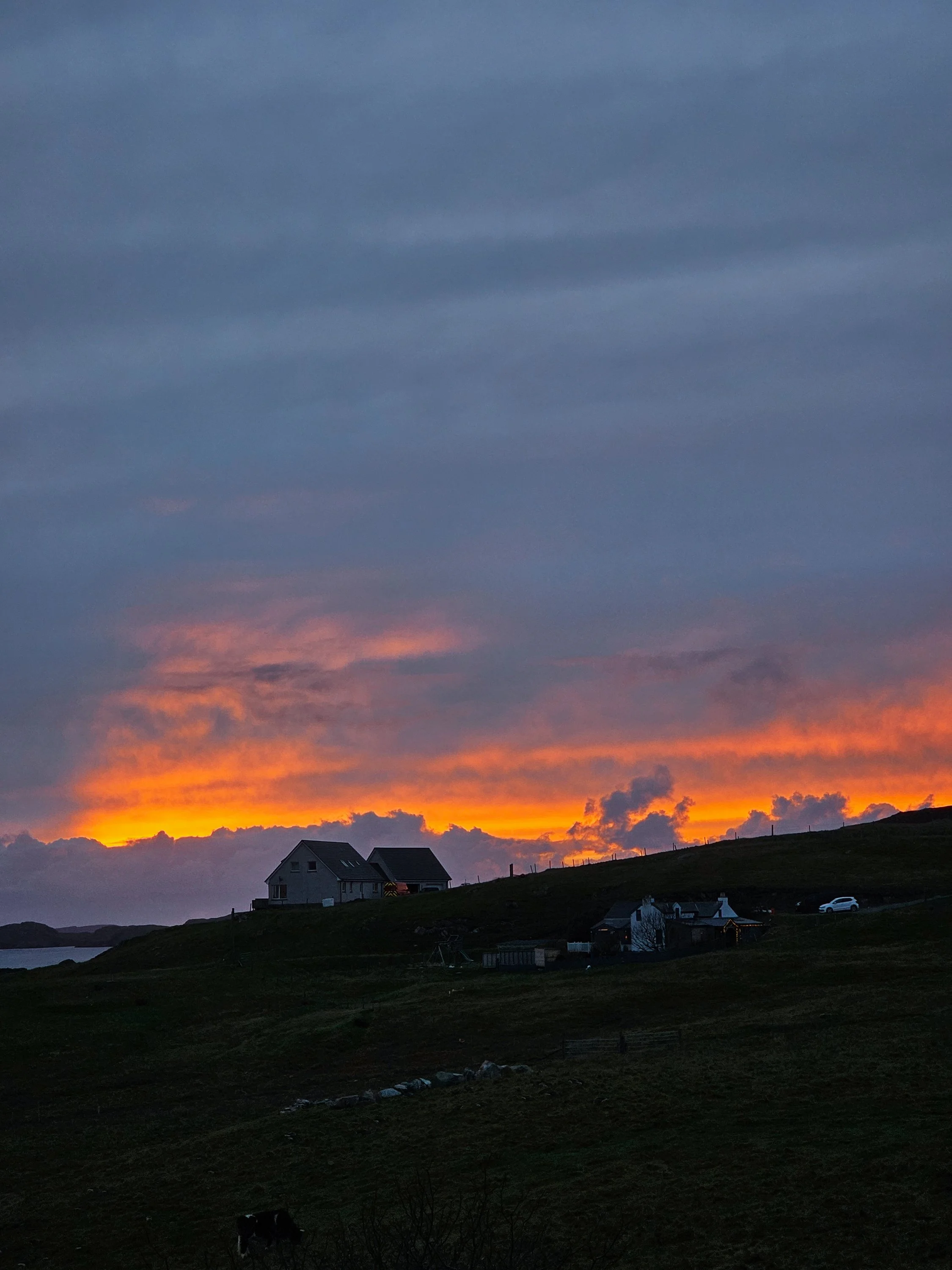
October on the island was a wild mix of everything. Two named storms blew through while I was there, which meant cancelled boats and no fresh food in the Co op. Then there were days of eerie stillness, heavy mists that swallowed the landscape, sudden flashes of sunshine and even a couple of frosts after the clocks changed. It all added to the strange rhythm of the month, where time felt both slow and incredibly full.
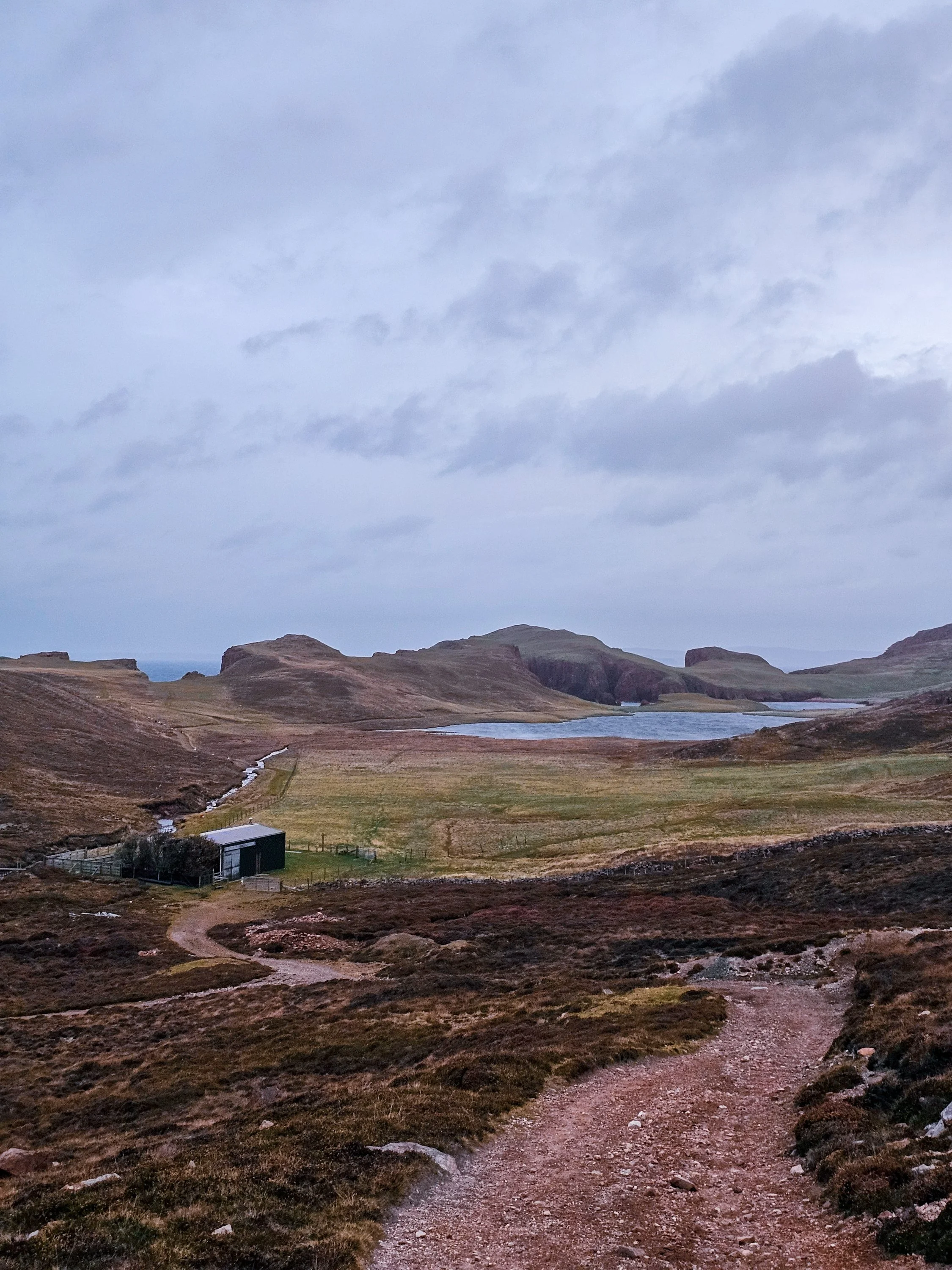
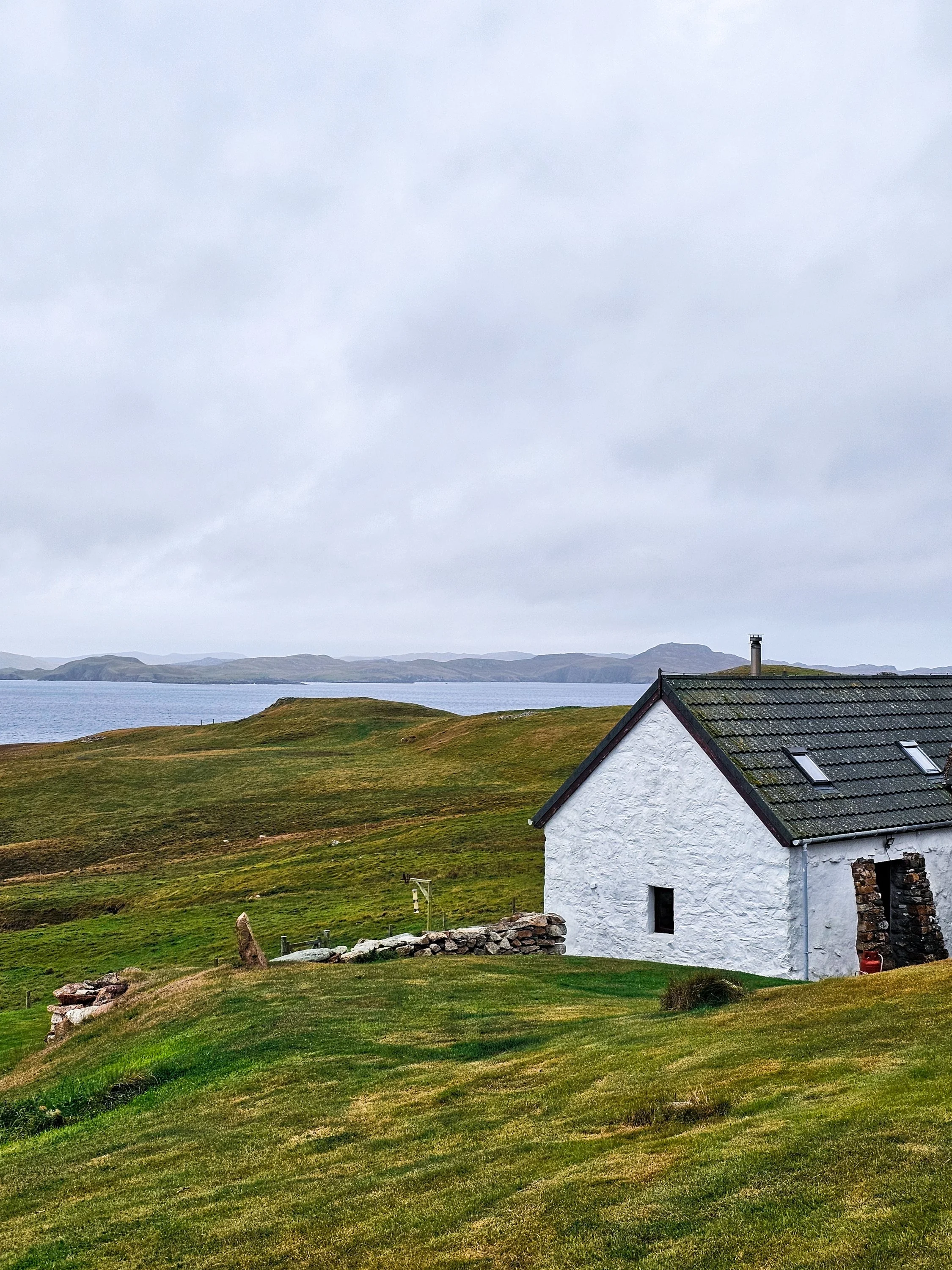
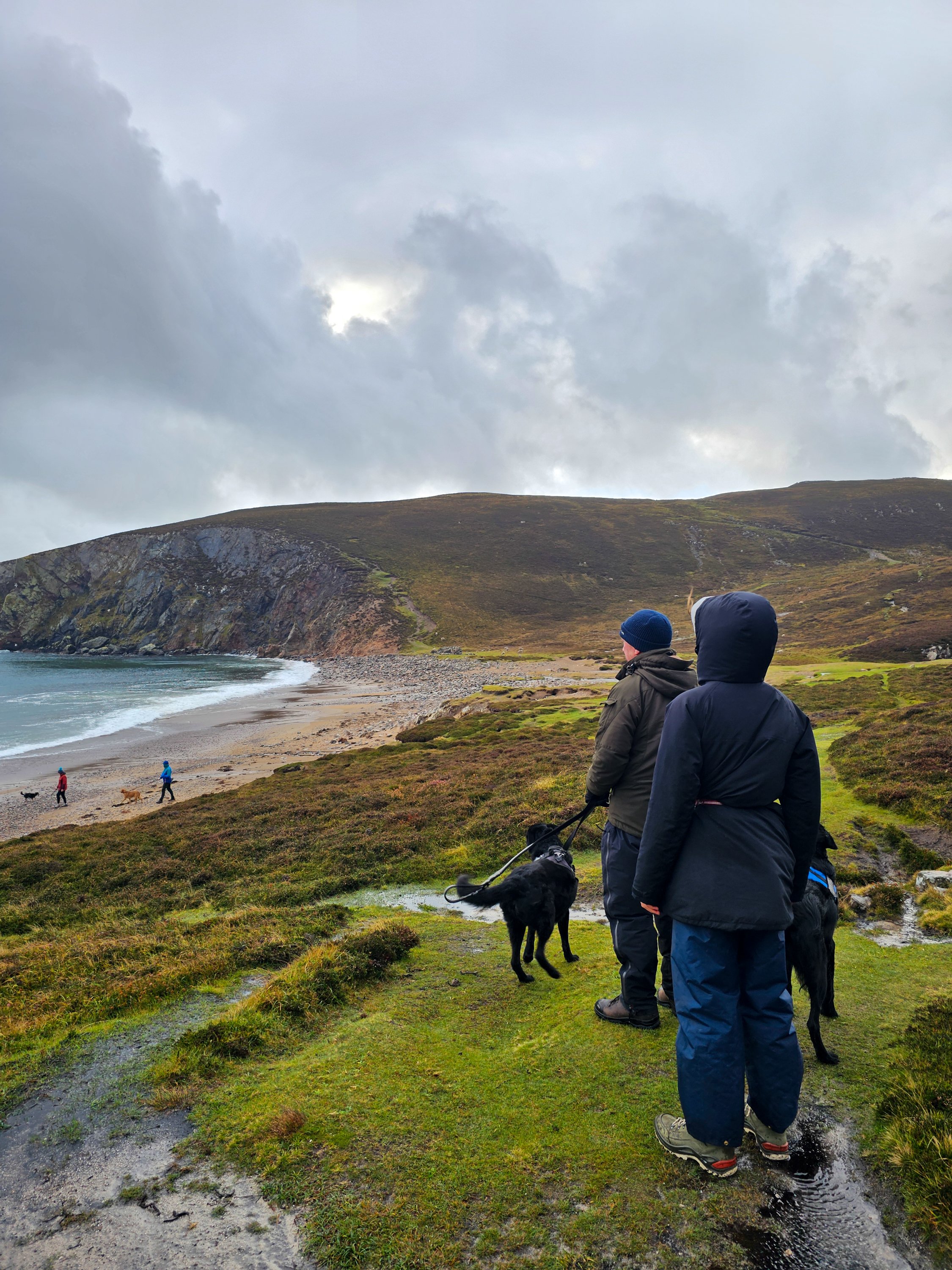
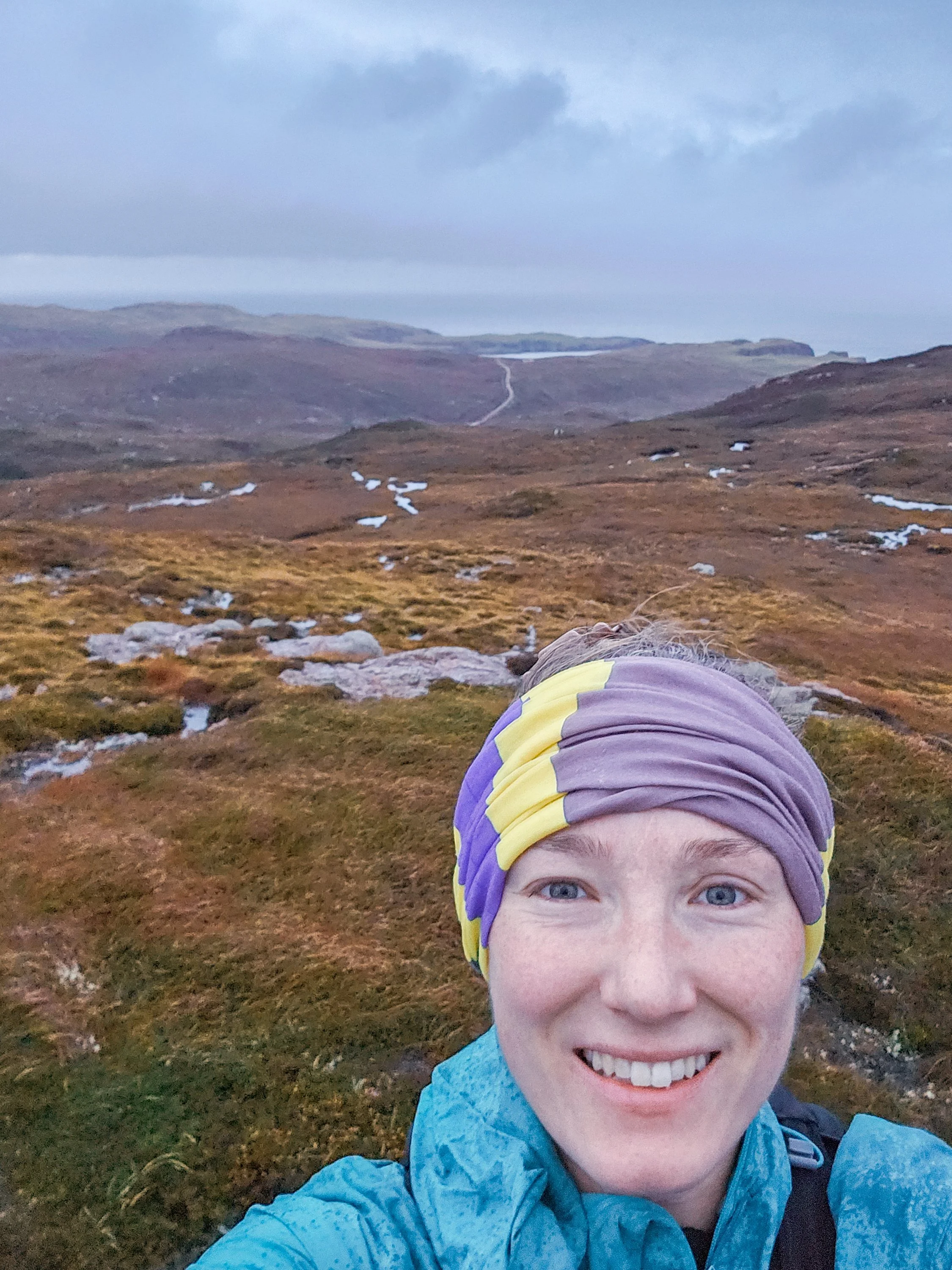
When I wasn’t in the workshop, I explored as much of the island as I could. Muckle Roe is only about 5 by 5 kilometres, but it feels endlessly varied. I ran most mornings, often aiming for sunrise, and set myself the goal of circumnavigating the entire coastline. The official route is around 18 kilometres, but I decided to hug the shore as closely as possible, taking in every tiny headland. That added about 10 extra kilometres of tussock hopping, rock sliding and heather wading. The Da Hams were a highlight, all dramatic cliffs and unbelievably clear water.
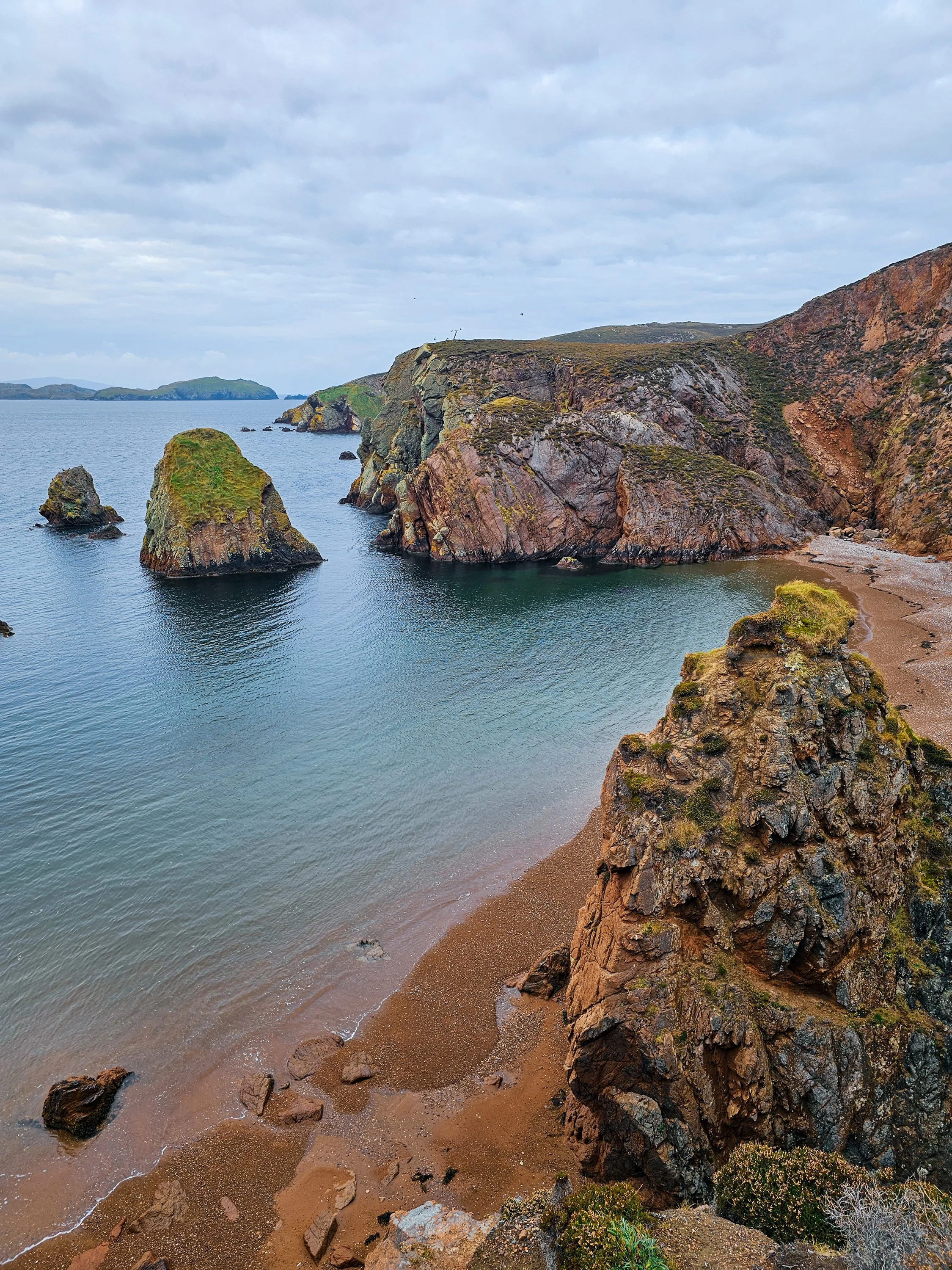
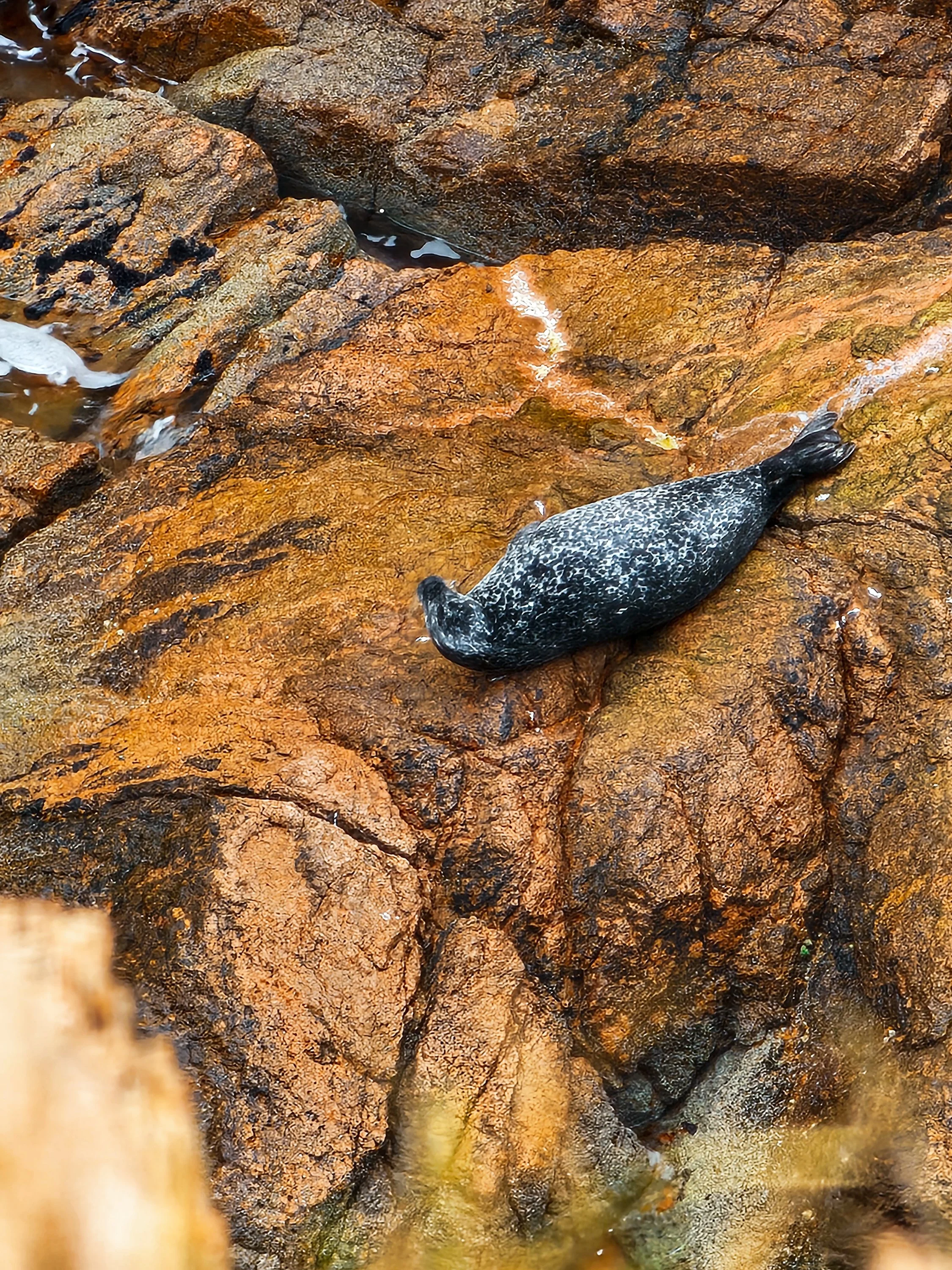
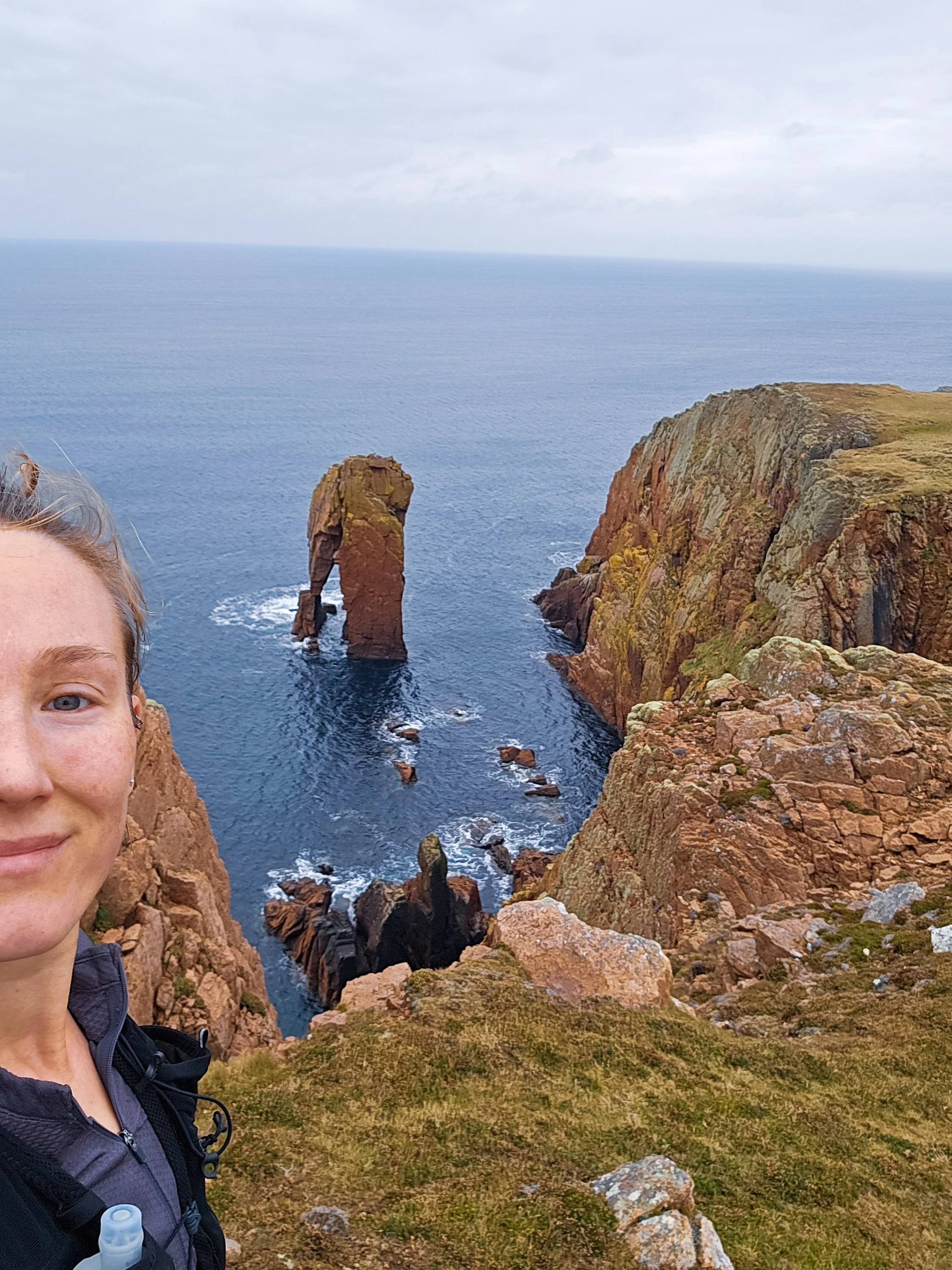
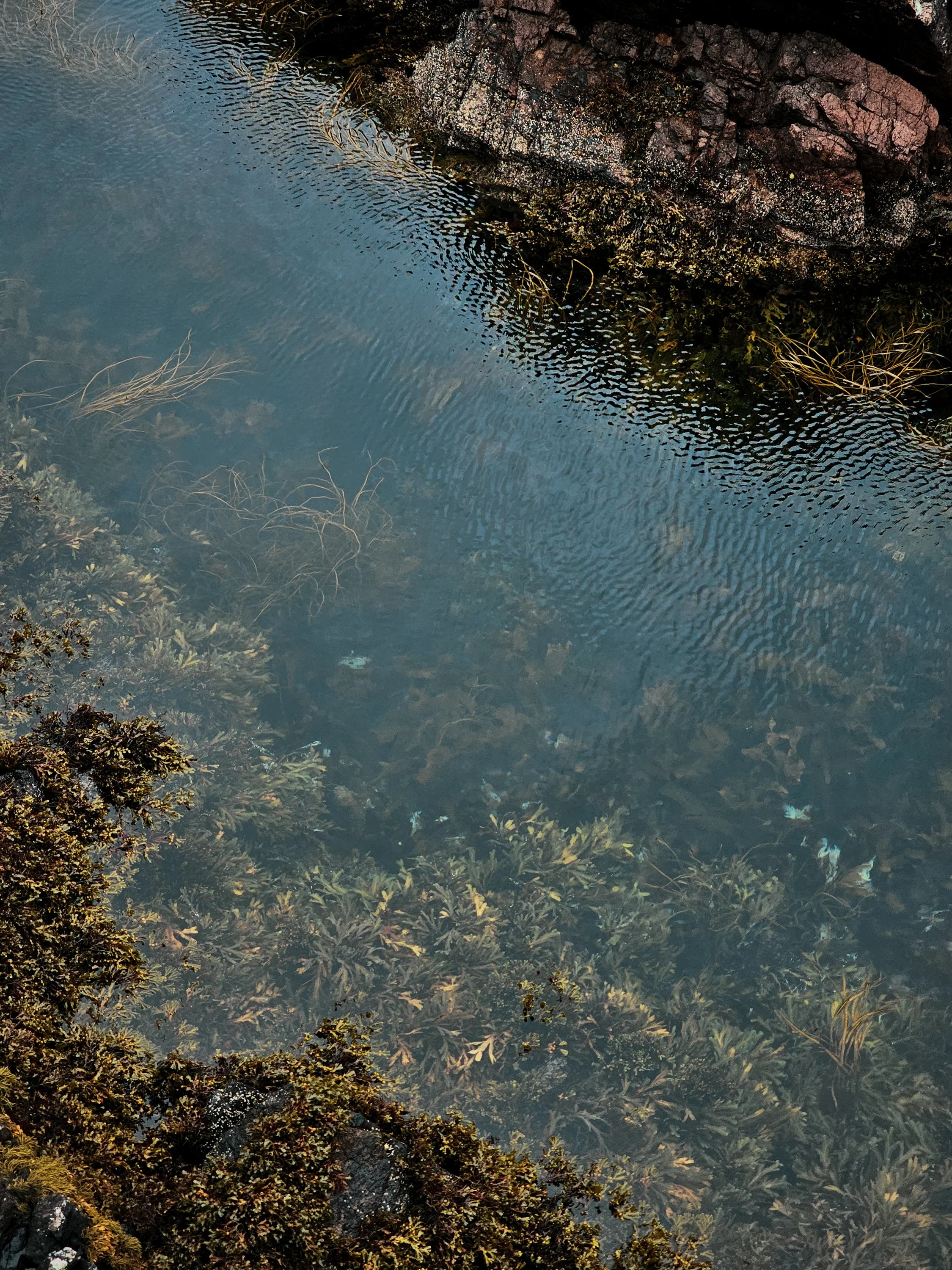
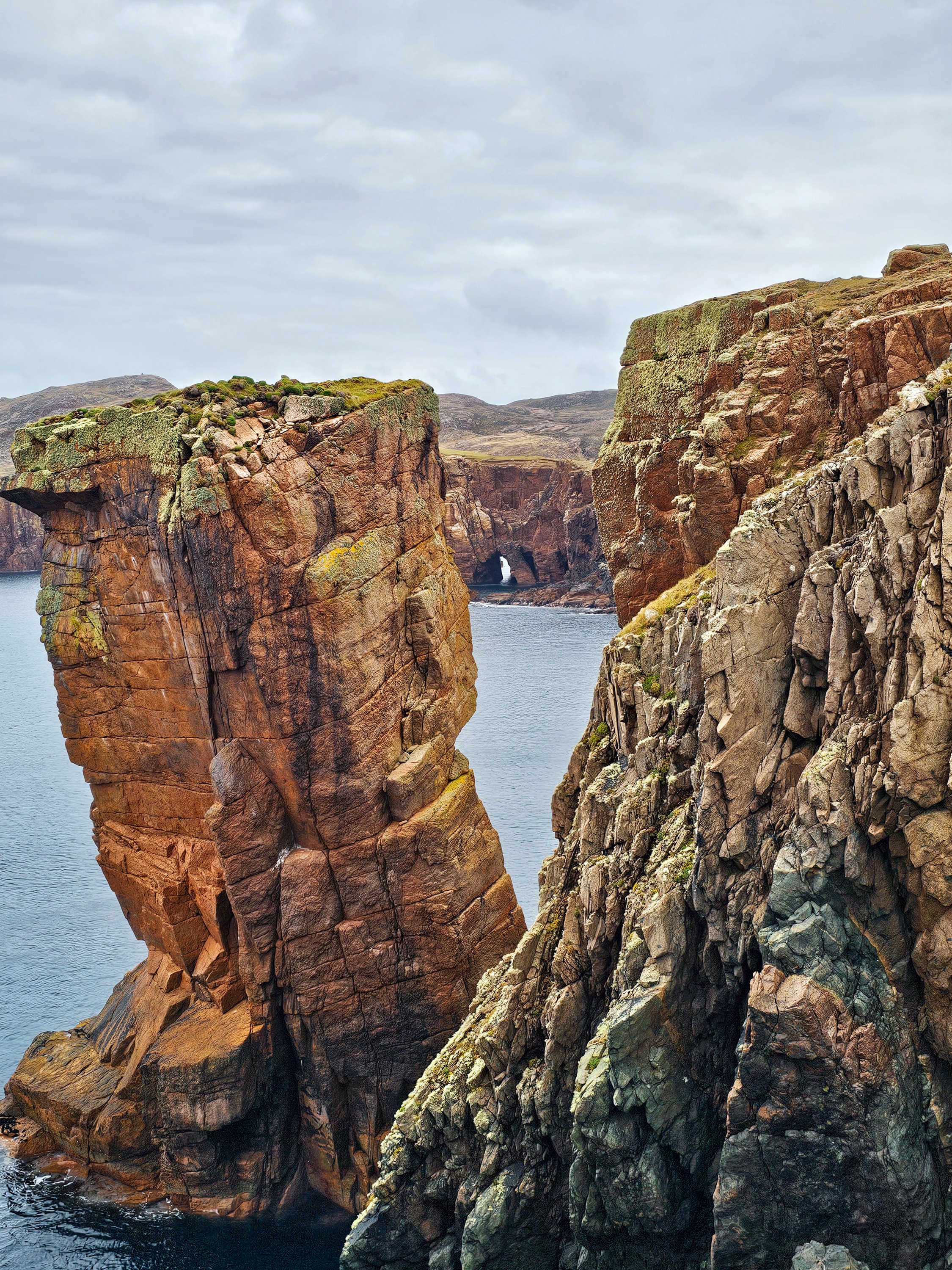
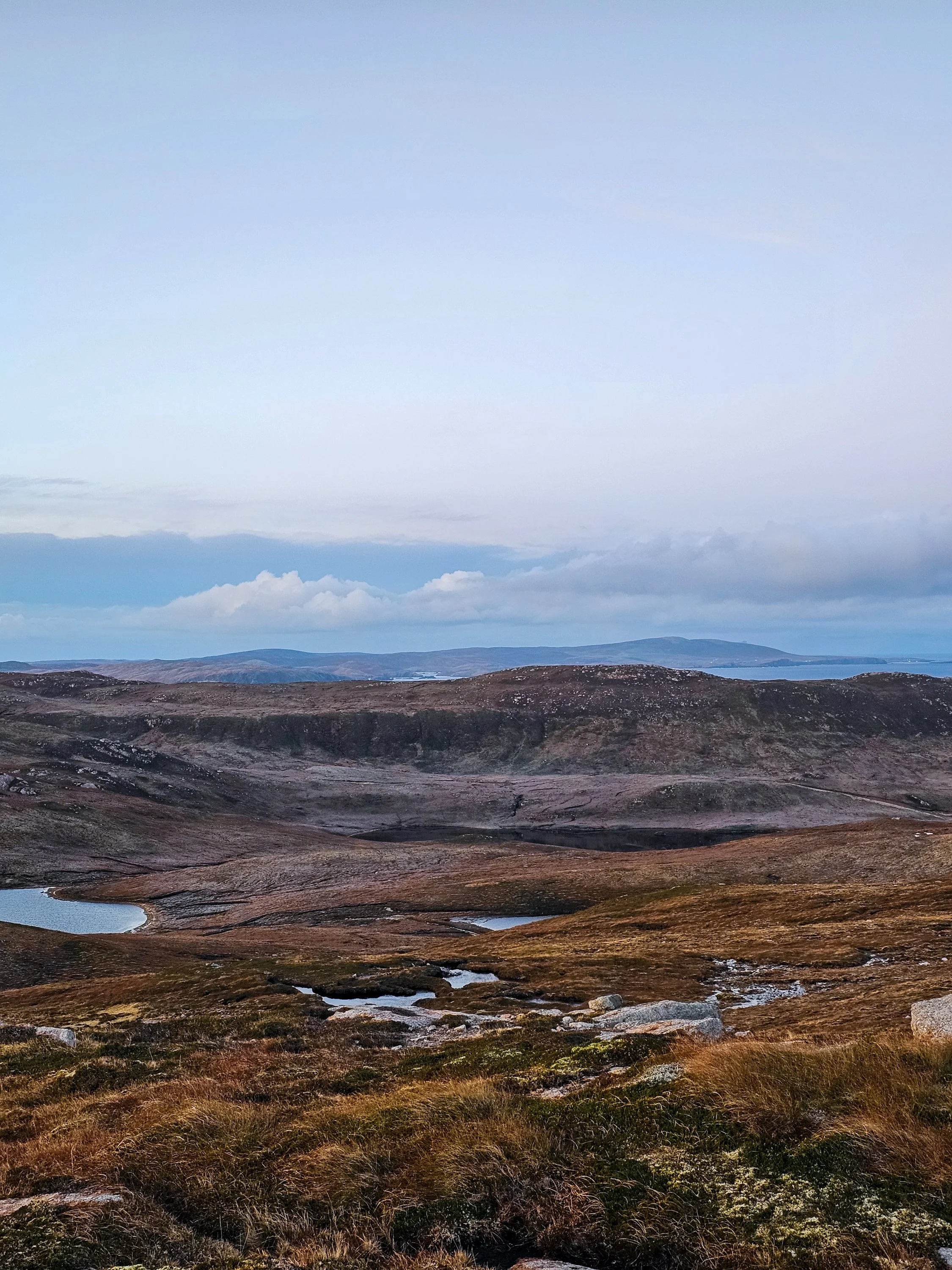
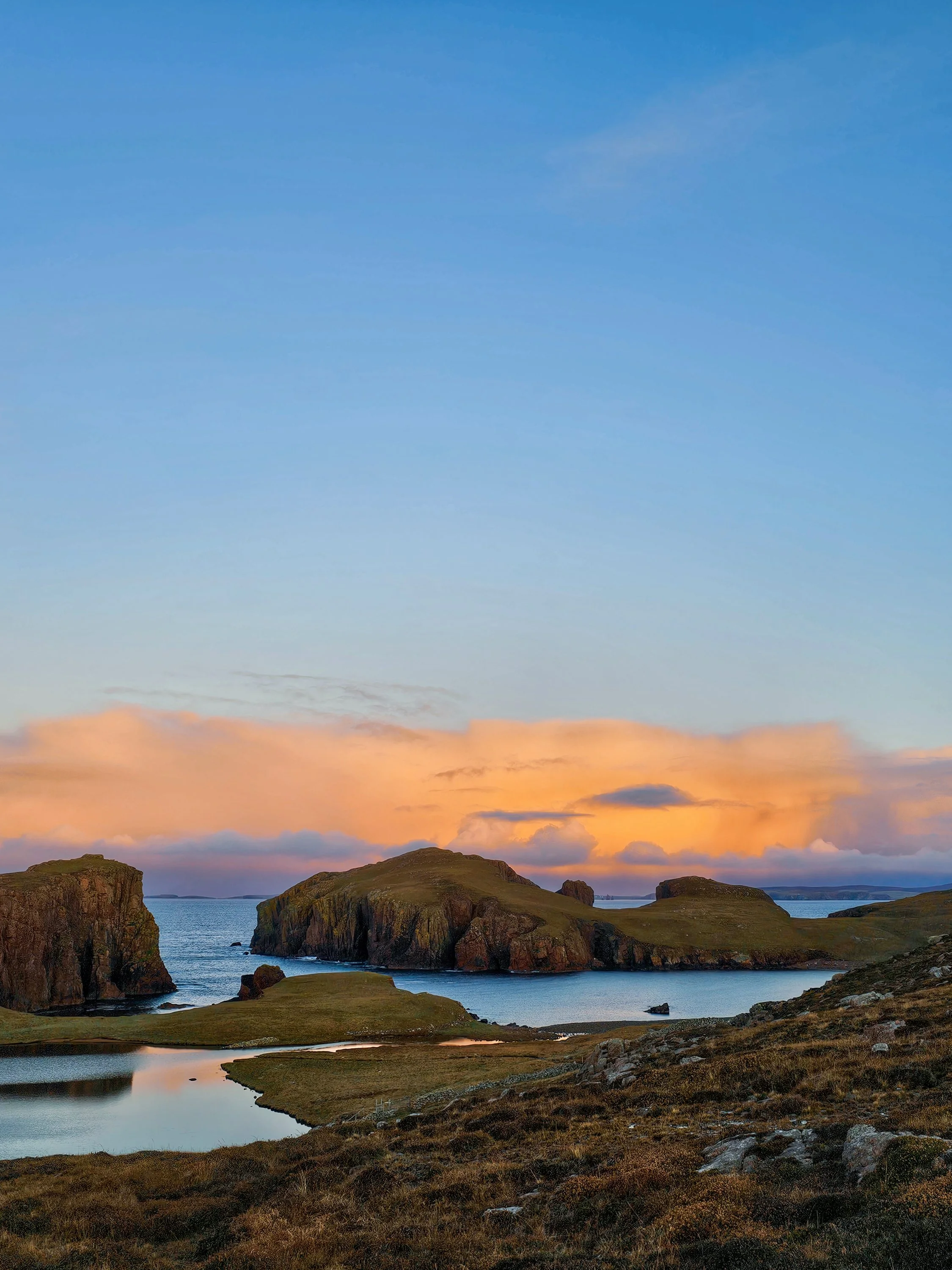
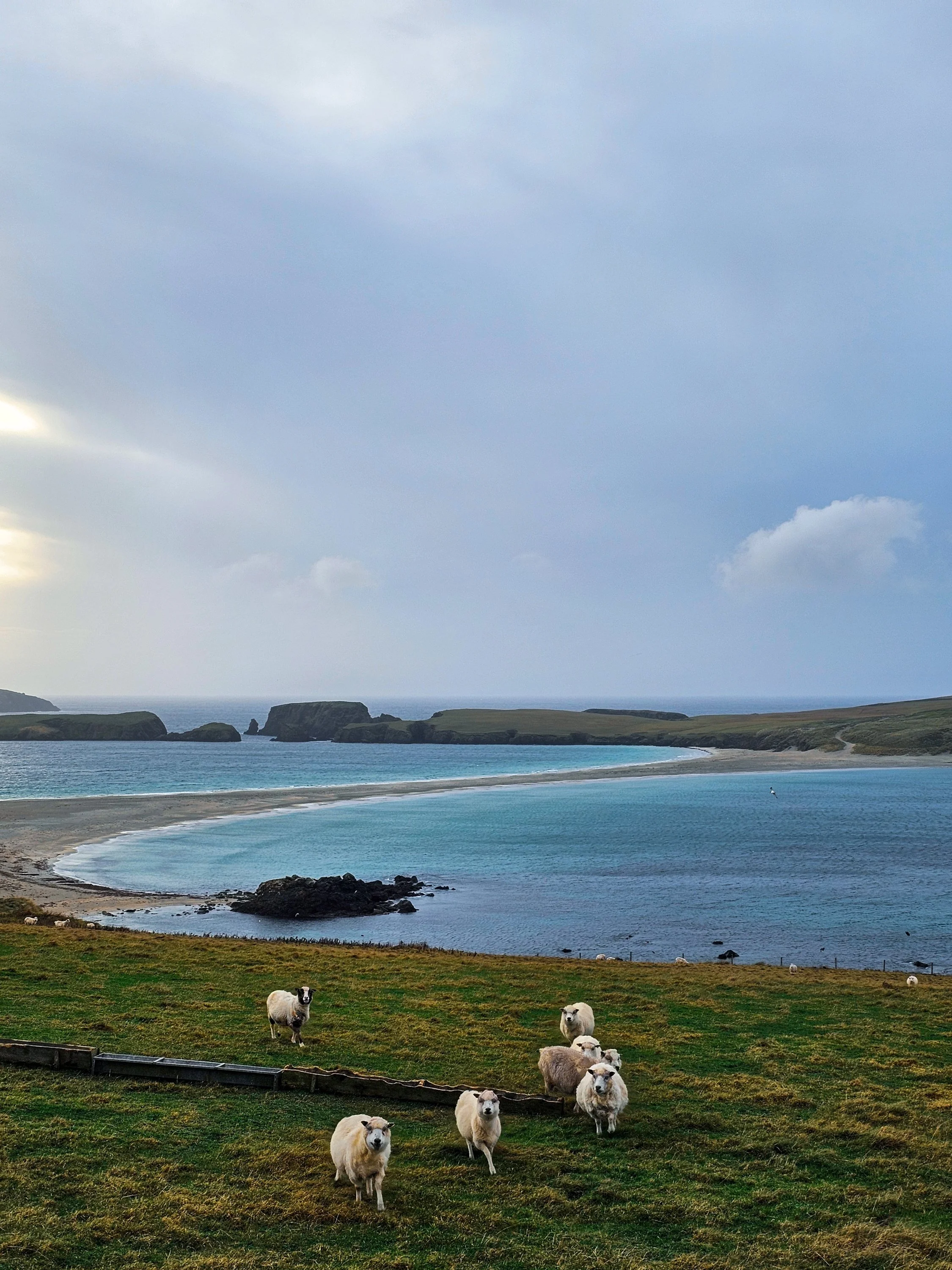
Most days were spent in the workshop and plenty of evenings too. There was something addictive about it, the steady tapping, the tiny adjustments, the sense that a flat sheet of metal was gradually turning into something alive. My main piece from the month started as a test dish, but it quickly became a way of capturing the rock formations I’d been scrambling over every day. The textures and contours in the metal came straight from the landscape around me.
By the time I left, I felt tired in the best possible way. The island, the weather, the running and the long hours at the bench all gave me a real reset and opened up a new direction for my contour work. I’m excited to see where this new way of working leads next.